
How to Navigate a Clairemont Mesa West Trust Estate Sale
June 25, 2026
June 25, 2026
If you are handling a parent’s or relative’s home in Clairemont Mesa West, the sale can feel overwhelming fast. You may be sorting through paperwork, family opinions, and a house that has not been updated in years, all while trying to make careful decisions. The good news is that a trust or estate sale becomes much more manageable when you understand who has authority, what disclosures still apply, and how to prepare the property without overspending. Let’s dive in.
Before you think about pricing, cleanup, or showings, confirm who has the legal right to act. In California, that starts with checking how title is held and reviewing the deed, since deeds are public records at the County Recorder’s Office.
If there is an original will, it must be delivered to the court. If probate is required, the court appoints a personal representative to collect assets, pay bills, and distribute what remains. If more than one person is serving in that role, they must act together.
This step matters because families often assume a will alone gives someone immediate authority to sell the house. California Courts makes clear that a will does not automatically avoid probate, and some estates still need formal court involvement before a sale can move forward.
A trust sale and an estate sale are not always handled the same way. The practical first move is to identify how the property is vested, gather the deed and death certificate, and confirm whether a trustee, executor, or court-appointed representative will be signing.
That review can also prevent expensive delays later. It is usually wiser to organize authority documents first than to spend heavily on repairs, hauling, or staging before you know exactly who can approve those choices.
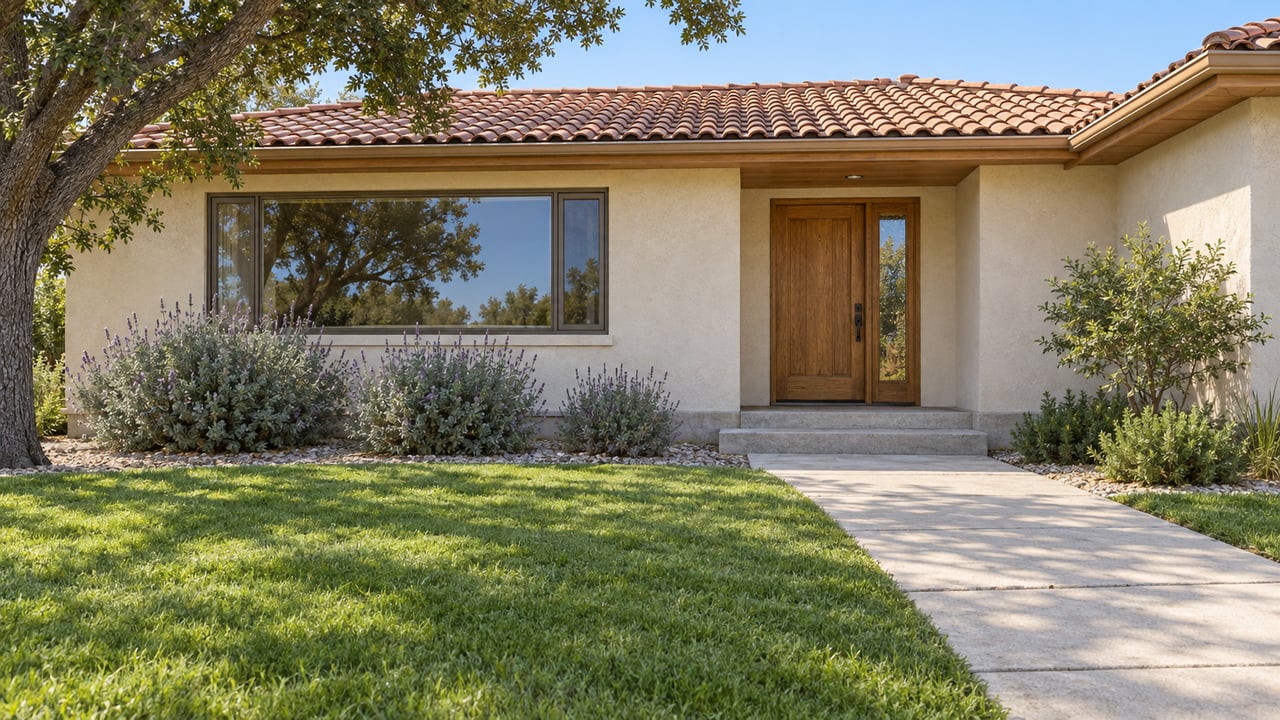
Clairemont Mesa is one of San Diego’s early post-World War II suburban communities, with many homes built in the 1950s and 1960s. In Clairemont Mesa West, that often means you are dealing with mid-century homes where floor plan, lot, location, and condition all play a major role in buyer interest.
Some western areas also benefit from views toward Mission Bay and the Pacific Ocean, and the community is connected by major corridors and trolley service to other employment and shopping areas. For your sale, that means buyers may see value in the setting and location even when the home itself needs work.
Many estate properties in Clairemont Mesa West have deferred maintenance, dated finishes, or years of accumulated belongings. That does not always mean you need a full renovation before listing.
In many cases, a lighter approach is the better use of time and money. Cleaning, decluttering, basic repairs, and simple presentation can help buyers see the home clearly without turning the sale into a major remodel project.
Yes, and this is one of the most important points for families to understand. Some fiduciary transfers in California are exempt from the standard Transfer Disclosure Statement, but that does not make the sale disclosure-free.
California law says fiduciary transfers in the administration of a trust or decedent’s estate may be exempt from the TDS article. At the same time, other disclosure laws can still apply, including natural hazard disclosures, and the California Department of Real Estate reminds sellers and agents that disclosures are still required to avoid fraud, misrepresentation, or deceit.
Depending on the property, the sale may still involve:
Because many Clairemont Mesa West homes were built before 1978, lead-based paint rules are often relevant. Sellers must disclose known lead-based paint information before contract signing, provide available records and reports, give the buyer the required pamphlet, and allow a 10-day opportunity for an inspection or risk assessment.
Families sometimes hope there is a simple affidavit that will transfer the house and avoid a longer process. In California, the small-estate affidavit process applies only to personal property and cannot transfer a house, building, or land.
California Courts does note that simpler real property procedures may apply in limited situations. As of April 1, 2025, the court guide lists a $750,000 limit for certain petitions involving a decedent’s main home in California, while other summary procedures have much lower caps.
The key takeaway is simple: start with a title and probate review instead of assuming the home qualifies for a shortcut. That early review can save weeks of confusion.
Most families ask this right away, especially when the house has old flooring, original kitchens, or deferred repairs. In Clairemont Mesa West, the answer is often to focus on light preparation with clear purpose rather than a major renovation.
A national staging report from 2025 found that 29 percent of agents said staging increased the dollar value offered by 1 percent to 10 percent, and 49 percent said staging reduced time on market. That supports a practical strategy of improving presentation first before considering large projects.
Consider starting with:
This kind of prep can make a home feel cared for and easier to evaluate. It also helps buyers focus on the layout, lot, and location instead of getting distracted by avoidable mess or maintenance.
If you are selling an inherited home with dated finishes, a full remodel is not always the best move. It can add cost, family stress, and timeline risk, especially if heirs do not agree on budget or design choices.
In a neighborhood with many mid-century properties, some buyers may prefer to update the home in their own style anyway. A careful pricing strategy and honest presentation can sometimes do more for your outcome than a rushed renovation.
The paperwork is only part of the challenge. In many trust and estate sales, family communication is what determines whether the process stays calm or turns into a dispute.
California Courts states that if more than one person is handling probate matters, they must act together. That makes it especially important to set expectations early about who is gathering documents, who is speaking with vendors, and how decisions will be approved.
To keep the sale moving, it helps to have:
This structure does not remove emotion, but it can reduce misunderstandings. When everyone knows the process, you are less likely to lose momentum over last-minute disagreements.
A home sale tied to a death can raise important tax questions, and it is smart to address them before you are under closing pressure. For federal income tax purposes, inherited property is generally stepped up to fair market value on the date of death, and the recipient is generally treated as holding it for more than one year.
That can affect how gain is calculated when the home sells. If the family is unsure about basis, improvements, or possible capital gain exposure, this is a good time to involve a CPA, EA, or tax attorney.
California real estate withholding is a separate closing issue. The Franchise Tax Board says Form 593 is filed after every real estate transaction, and withholding is generally required on California real property held by a trust unless the trust qualifies for an exemption.
The FTB also notes that grantor and nongrantor trusts are handled differently on Form 593. That is another reason to review the tax side early instead of waiting until escrow is already underway.
Sometimes the biggest question is not how to sell, but whether to sell at all. If one or more heirs want to keep the property, Proposition 19 can affect the property tax picture in a major way.
According to the California Board of Equalization, the parent-child intergenerational transfer exclusion applies only when the inherited family home becomes the transferee’s principal residence. Rental homes do not qualify, and at least one eligible transferee must continually occupy the home to keep the exclusion.
If your family is weighing whether to keep the home, think through:
The right answer depends on your family’s goals, finances, and timeline. What matters most is reviewing the tax and ownership impact before making an emotional decision.
When you break the process into steps, a trust or estate sale becomes far more manageable. California Courts recommends listing everything the decedent owned, identifying whether each asset is real or personal property, determining how it is owned, and estimating fair market value as of the date of death.
For a Clairemont Mesa West home, that usually leads to a practical sequence you can actually follow.
A calm, planning-led process can protect both the asset and the family relationships around it. That is often just as important as the final sale price.
If you are preparing to sell a trust or estate property in Clairemont Mesa West, working with a local advisor who understands both the neighborhood and the family logistics can make a real difference. For thoughtful guidance, local perspective, and a planning-first approach, connect with Theresa Bish.
Stay up to date on the latest real estate trends.





Combines deep local experience with civic involvement to offer authentic guidance and trusted advice for clients and investors alike.