What Buyers Should Know About Morena Condos Near Trolley
July 2, 2026
July 2, 2026
Wondering whether a condo or townhome near the Morena trolley is a smart move? You are not alone. This part of San Diego gets a lot of attention from buyers who want location, flexibility, and a better handle on long-term value. The key is knowing that "near the trolley" does not tell the whole story. If you are considering an attached home in Morena, here is what to look for before you buy. Let’s dive in.
Morena is not the kind of area where large amounts of new raw land are likely to open up. City of San Diego planning materials show the Morena Corridor Specific Plan was adopted in 2019 and adds 5,630 dwelling units beyond the prior community plan. All of that added density is within a Transit Priority Area.
That matters because it shapes what buyers can expect. In Morena, future housing growth is tied to infill, redevelopment, and transit-oriented projects instead of broad suburban-style expansion. If you are shopping here, you are looking at a neighborhood evolving around access, mobility, and more compact housing types.
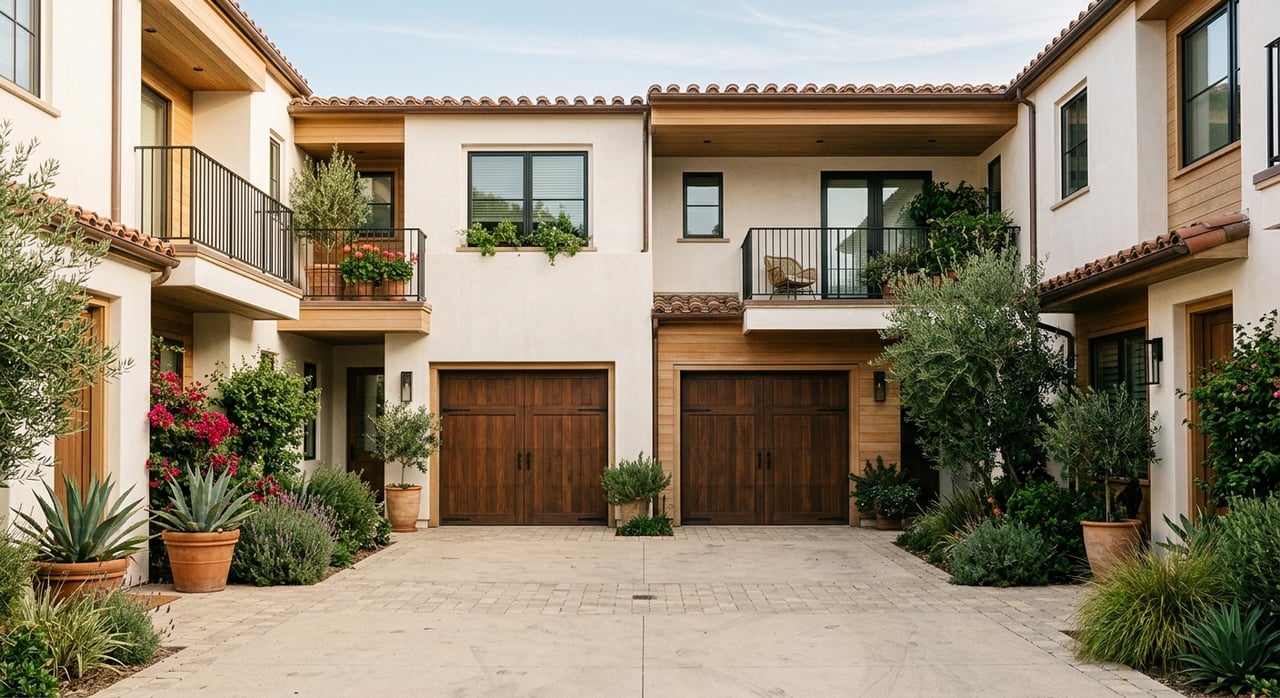
In practical terms, attached homes in Morena tend to be more vertical and space-efficient. City planning materials point to medium-density residential sites, townhome opportunities, and mixed-use concepts with 3-story, 30-foot forms and alley-loaded tuck-under parking.
A recent example is Line Lofts, described by its developer as a 95-unit, 6-story mixed-use development within walking distance of the Blue Line and USD. Put together, these planning signals suggest you are more likely to see stacked flats, smaller-lot townhomes, and mixed-use condos than large, single-level floor plans.
If you are moving from a detached home, this can be a big adjustment. You may find more stairs, smaller outdoor spaces, and parking integrated into the building design rather than a traditional driveway and garage setup.
That does not make these homes less appealing. It simply means the value equation in Morena often comes down to efficient design, access to transit, and lower-maintenance living rather than lot size.
Being near a trolley station sounds great, but not every location functions the same way in daily life. MTS says the trolley connects downtown, East County, UC San Diego, South Bay, and the Mexico border, which is a meaningful benefit for many buyers.
Still, the exact station matters. On the Morena corridor, MTS lists Morena/Linda Vista station on the Green Line with 199 parking spaces, Tecolote Road on the Blue Line with 279 spaces, Balboa Avenue on the Blue Line with 227 spaces, and Clairemont Drive on the Blue Line with no parking spaces listed.
Two homes may both be marketed as near the trolley, yet your experience could be very different. One may offer an easy walk and dependable parking. Another may require a longer walk, limited on-site parking, or a more complicated daily routine.
This is why it helps to think beyond the map pin. A good location for you depends on how you actually plan to use transit and whether you still need a car most days.
Parking deserves extra attention in Morena, especially for condos and townhomes. City planning materials for the corridor emphasize walkability and mobility, while also supporting shared structured parking and parking reductions in transit areas.
That approach may fit some buyers very well. But if you need reliable car storage, guest parking, or easy loading access, you will want to verify exactly what comes with the unit.
Before you commit, confirm whether parking is:
California Department of Real Estate guidance notes that parking spaces and driveways can be exclusive-use common area. That means your rights may be defined in the deed, recorded map, CC&Rs, or other recorded documents, not just the listing description or marketing sheet.
This is one of the most important details for buyers to understand. In California, a townhome is an architectural style, while a condominium is a legal ownership form.
So when you see a Morena property described as a townhome, that label may tell you more about how the home looks than how ownership works. Private yards, driveways, and parking spaces may still be exclusive-use common area rather than fully owned land.
For attached homes, the recorded map, CC&Rs, and HOA rules often matter more than the marketing language. If you want clarity on maintenance duties, use rights, pet rules, rental rules, or parking control, the legal documents are where those answers live.
This is especially important in newer developments or projects with more complex building layouts. A calm review upfront can save you from surprises after closing.
In Morena, many attached homes will involve an HOA, and that makes document review a major part of due diligence. The HOA budget package should show cash reserves, remaining life of common-area facilities, and the method for repair or replacement.
Annual reports are due within 120 days after the fiscal year ends. Those reports can help you understand whether the association is planning ahead or simply reacting to repairs as they come up.
When reviewing HOA information, pay close attention to:
If the HOA is new, be even more careful. DRE materials note that a new association is initially developer-controlled, so early governance and budget assumptions may not yet reflect how the community will operate over time.
If you are considering new construction or a recent conversion, ask for the DRE public report early. In California, that report must be provided before you become obligated to buy.
It includes key disclosure items such as CC&Rs, HOA costs and assessments, and other important ownership details. This is one of the best tools you have for understanding what you are really buying.
Buyers sometimes assume a newer community is easier because everything looks fresh. But newer HOAs may still be settling into their governance, reserve planning, and maintenance patterns.
That is why it helps to treat a new project with the same care you would give an older one. The finishes may be new, but the documents still deserve a close read.
Morena is part of a broader planning and redevelopment conversation in San Diego. City materials describe the corridor as mostly urbanized and note that the area has been evaluated in the context of Mid-Coast trolley planning.
The same planning record also describes parts of the corridor as auto-oriented, congested, and underutilized. For buyers, that suggests future change is more likely to come from infill, streetscape upgrades, and station-area redevelopment than from large-scale land expansion.
Transit adjacency can support long-term appeal, but it is not automatic. In Morena, value is likely to be shaped by the details: how walkable your exact location feels, how well parking works, how healthy the HOA is, and how the home fits into the corridor’s continuing evolution.
In other words, being near transit is a plus, but it should not be the only reason you buy. A thoughtful purchase usually comes from matching the property’s design, rules, and access points to your everyday needs.
If you are comparing condos and townhomes near the trolley, keep this checklist handy:
Morena can offer strong location fundamentals for buyers who value central San Diego access and want to understand where the area is heading. The smartest approach is to look past the headline features and study how the property functions day to day.
If you want a planning-minded perspective on Morena condos and townhomes, Theresa Bish can help you evaluate the details that matter most.
Stay up to date on the latest real estate trends.


Combines deep local experience with civic involvement to offer authentic guidance and trusted advice for clients and investors alike.