Clairemont Mesa East Neighborhood Guide for Daily Life
June 4, 2026
June 4, 2026
If you want a San Diego neighborhood that feels practical, established, and well connected, Clairemont Mesa East deserves a closer look. You may be searching for a place that makes daily life easier without giving up access to parks, shopping, and the bigger San Diego job and coastal areas. This guide will help you understand what living here really feels like, from housing character to errands, recreation, and transit. Let’s dive in.
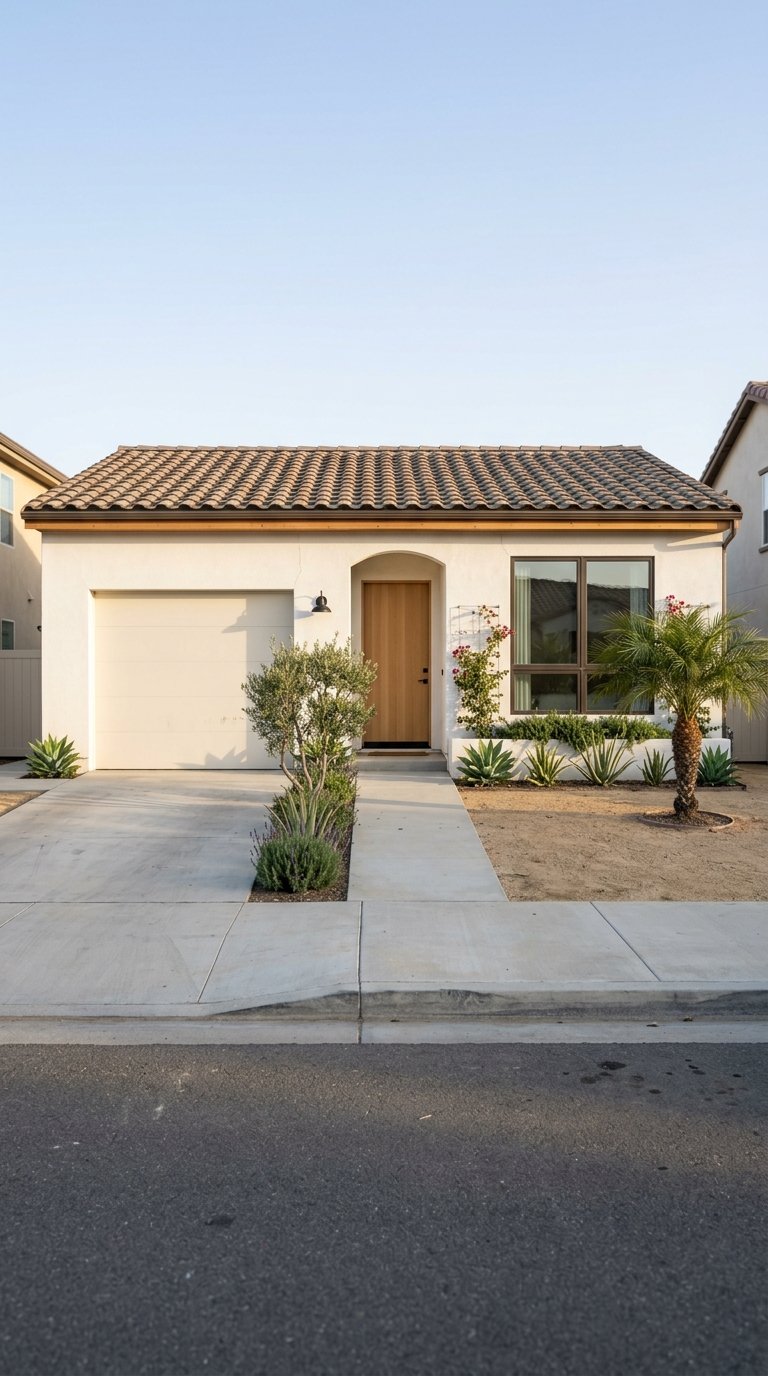
Clairemont Mesa East fits into the broader Clairemont community, which the City of San Diego describes as a 13.3-square-mile post-World War II suburban area. The community began as a tract-home neighborhood in 1950, and many homes still date to the 1950s and 1960s. That history still shapes the area’s everyday feel.
For you as a buyer or long-term mover, that often means an established neighborhood pattern instead of a brand-new master-planned environment. The area reads as a classic San Diego suburb, with low-rise housing and a familiar residential scale. It tends to feel grounded and livable rather than dense or high-rise.
One of the clearest things to know about Clairemont Mesa East is that the housing stock is largely established and low-rise. Current planning language says Clairemont is mostly lower in scale, and the Clairemont Height Limit Overlay Zone predominantly limits structures to 30 feet. That helps preserve the neighborhood’s long-standing suburban character.
At the same time, change is not off the table. The city’s 2025 plan update raises height in selected village areas where new homes and jobs are intended to cluster. For you, that means most of the neighborhood is still likely to feel familiar and low-rise, while some targeted areas may see newer infill and mixed-use evolution over time.
If you are comparing Clairemont Mesa East with more urban parts of San Diego, the difference is pretty straightforward. This is not a neighborhood defined by towers or tightly packed mid-rise blocks. It is better understood as an established residential area with selective reinvestment near key commercial and transit locations.
That can appeal to buyers who want a steadier neighborhood pattern and a more classic San Diego housing backdrop. It can also be useful if you are thinking long term and want to understand where future change may be more concentrated. In Clairemont, that change is more likely to show up around village centers and transit-oriented areas than across every residential street.
A big part of Clairemont Mesa East’s comfort factor is how closely daily life connects to recreation and open space. Tecolote Canyon is one of the standout amenities in the broader area. The city describes the canyon as crossing I-5 at Tecolote Road, with its northern tip nearly reaching Clairemont Mesa Boulevard near North Clairemont Recreation Center and Genesee Avenue forming the eastern boundary.
That geography matters because it gives the area a natural break from the pace of city life. The city also highlights Clairemont as a place where canyon hikes, wildlife, and Mission Bay are easy to reach. For many residents, that helps balance the neighborhood’s practical suburban layout with access to outdoor space.
Clairemont’s day-to-day recreational options are not limited to open space. The area is supported by North Clairemont Recreation Center, South Clairemont Recreation Center, Tecolote Canyon Natural Park and Nature Center, and Clairemont Pool next to South Clairemont Recreation Center. These are the kinds of amenities that make everyday routines feel easier and more local.
The neighborhood page also lists Clairemont Library, North Clairemont Library, Balboa Library, Fire Station 27, Fire Station 36, and the Northern Division of the San Diego Police Department. Together, those civic and community resources help explain why the area can feel self-contained in a practical way. You are not relying on one destination for everything.
Clairemont Mesa East is not built around a single main street. Instead, commercial activity is concentrated in a few key nodes. The City of San Diego identifies significant commercial centers at Clairemont Drive and Clairemont Mesa Boulevard, as well as Balboa Avenue and Genesee Avenue, with smaller pockets along Morena Boulevard.
For your day-to-day life, that means errands often happen along well-known corridors instead of in one downtown-style district. This setup tends to support convenience first. You can handle many routine needs locally, even if the neighborhood does not have the feel of a walk-everywhere coastal village.
Current plan documents also point to mixed-use opportunities in Clairemont Town Square and the Clairemont Community Core. The city describes Clairemont Town Square as an existing shopping center that is being reworked toward a more walkable neighborhood-shopping environment. That suggests some retail areas may gradually become more pedestrian-friendly while still serving practical daily needs.
The city also lists Carnival Market as a Clairemont-area supermarket with produce, meat, seafood, baked goods, and more. That is a useful example of how local shopping supports daily routines. In general, the area’s retail pattern feels functional and neighborhood-serving, with dining and errands spread across corridors rather than centered around a nightlife district.
Your experience of Clairemont Mesa East will likely be shaped by how connected it feels to the rest of San Diego. Clairemont’s commercial centers are clustered at transportation intersections, which means the area tends to be car-friendly at the block level. At the same time, it also has meaningful transit access.
The community is served by high-frequency transit, including three UC San Diego Blue Line trolley stations within proximity. The city says the trolley connects Clairemont to Old Town, UC San Diego, and Westfield UTC. If you want access to major destinations without driving every time, that is an important part of the neighborhood story.
Bus service helps fill in neighborhood-level gaps. Near North Clairemont Recreation Center, the city lists Routes 41, 44, and 50. Near South Clairemont Recreation Center, it lists Routes 27, 50, and 105.
MTS also shows Route 44 running between Old Town Transit Center and Kearny Mesa Transit Center. Route 27 links Clairemont with Kearny Mesa, Balboa Avenue Transit Center, and Pacific Beach. For you, that means there are multiple ways to move between Clairemont and some of San Diego’s key work, shopping, and coastal areas.
Clairemont Mesa East is not a beachfront neighborhood, and that is helpful to say plainly. But it does offer strong connections to the coastal side of San Diego. The broader Clairemont area has Mission Bay views on its western side, and transit links support access toward Pacific Beach and Old Town.
If you like the idea of being connected to the coast without living directly on the shoreline, this can be a practical fit. You get an inland base with access to major San Diego destinations, while daily life still centers on an established residential setting. For many buyers, that balance is part of the appeal.
Clairemont Mesa East can make sense if you want a neighborhood that prioritizes everyday function. You may appreciate it if your priorities include established homes, local parks, recreation centers, practical shopping corridors, and straightforward access to other parts of San Diego. It is especially worth a look if you value location fundamentals more than trend-driven buzz.
It may also suit buyers who want to understand neighborhood change in a measured way. Clairemont is not static, but the city’s planning direction suggests that new growth will be more targeted than wholesale. If you like the idea of a classic suburban base with selective reinvestment, that can be a useful middle ground.
Clairemont Mesa East is easy to oversimplify if you only see it as an older suburban neighborhood. In reality, the details matter: where homes reflect original tract-era patterns, where low-rise infill may become more visible, how close you are to parks and civic amenities, and how strongly a specific pocket connects to transit and shopping corridors. Those are the kinds of factors that shape day-to-day livability and long-term value.
That is where neighborhood-specific guidance can make a real difference. If you are weighing a move in Clairemont Mesa East, it helps to work with someone who understands not just listings, but also how the area has evolved and where planning changes may matter most.
If you are thinking about buying or selling in Clairemont Mesa East, Theresa Bish offers calm, local guidance rooted in long-term San Diego knowledge and thoughtful planning.
Stay up to date on the latest real estate trends.


Combines deep local experience with civic involvement to offer authentic guidance and trusted advice for clients and investors alike.